

Extended Maceration: Does It Improve Ageability?
In Napa Valley, where Cabernet Sauvignon is often built for longevity, even small cellar decisions can shape how a wine evolves over decades. One of the most debated techniques is extended maceration—the practice of leaving wine in contact with its skins after fermentation.
But does it actually improve ageability?
The answer depends on balance, structure, and intent.
What Is Extended Maceration?
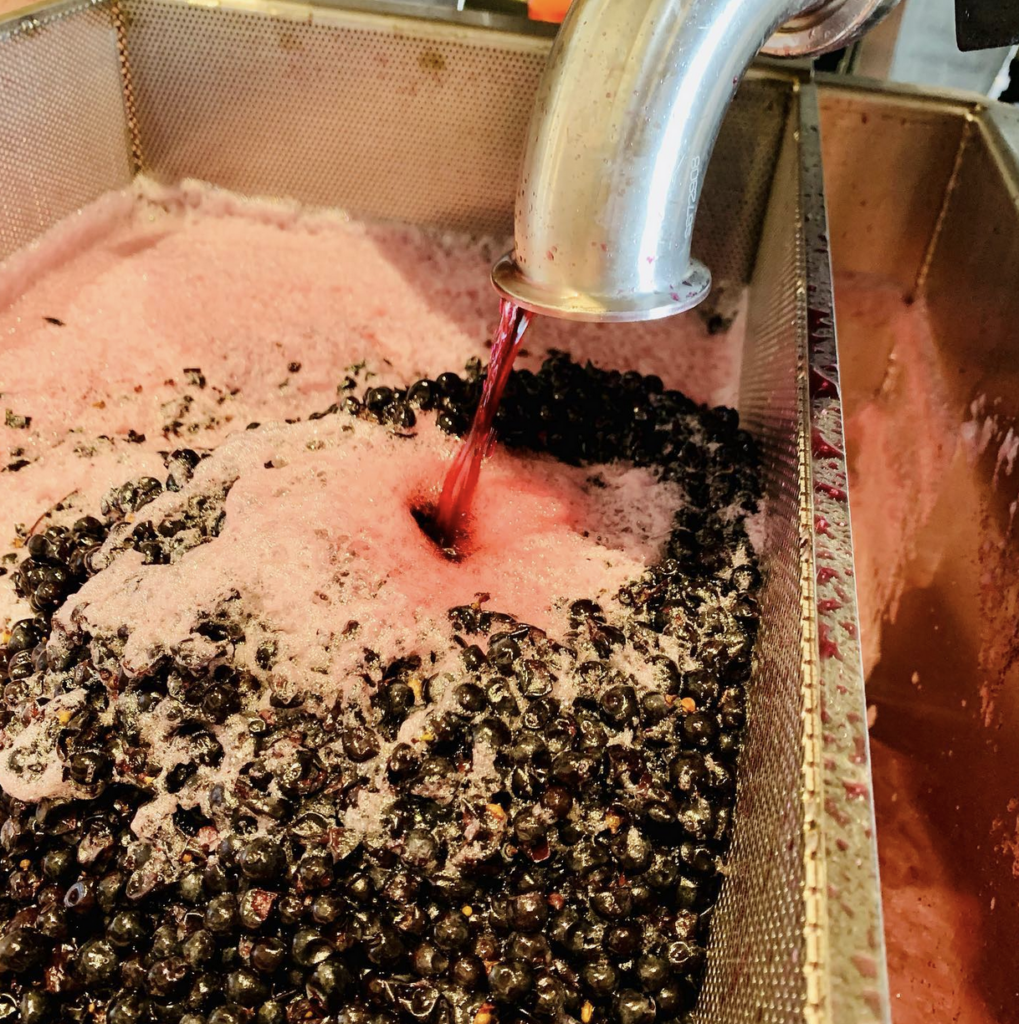
Maceration is the period during fermentation when skins, seeds, and juice remain in contact, allowing extraction of:
- Color
- Tannin
- Flavor compounds
Extended maceration continues this contact after fermentation is complete, sometimes for days or weeks.
At this stage, the goal is not simply more extraction. Done thoughtfully, extended maceration can help refine tannin texture and create greater structural harmony.
Tannin Quality vs Quantity
Ageability is not determined by how much tannin a wine contains, but by how those tannins are integrated.
Extended maceration can help:
- Soften angular tannins
- Improve polymerization
- Create a more seamless mouthfeel
- Stabilize color
In structured Napa Cabernet, this can produce wines that feel more composed in youth while still retaining the backbone needed for long-term aging.
However, when overused, the technique can lead to heavy or drying textures. Its success depends entirely on the quality and balance of the fruit.
How It Shapes Aging
Wines made with extended maceration often show:
- Softer tannins early in life
- Greater textural integration
- More immediate accessibility
That does not necessarily reduce longevity. In balanced wines, these structural refinements can support graceful aging over many years.
The difference is often one of trajectory:
- Without extended maceration, wines may evolve more slowly and remain firmer in youth.
- With it, wines may feel more integrated earlier while still developing complexity over time.
The goal is not faster maturity, but more harmonious structure.
The Napa Context
In Napa Valley, Cabernet Sauvignon naturally arrives with significant tannin and concentration. Extended maceration can help polish that power, aligning structure with elegance.
But restraint matters. Over-extraction can overwhelm freshness and site expression. The technique works best when used selectively and guided by tasting rather than formula.
The Mira Approach
At Mira, extended maceration is never automatic. Each lot is evaluated individually to determine whether additional skin contact enhances balance and refinement.
When used, the intention is not intensity, but precision—allowing tannin, acidity, and fruit to integrate naturally over time.
Because ageability is not created through force. It emerges through structure, balance, and restraint.
Structure Over Technique
Extended maceration can improve ageability, but it is only one piece of a much larger equation that includes vineyard quality, harvest timing, tannin management, and overall balance.
At its best, it helps shape wines that are both approachable in youth and capable of long-term evolution.
In Napa Cabernet, longevity is rarely the result of a single decision. It is the result of many thoughtful ones, made with time in mind.