

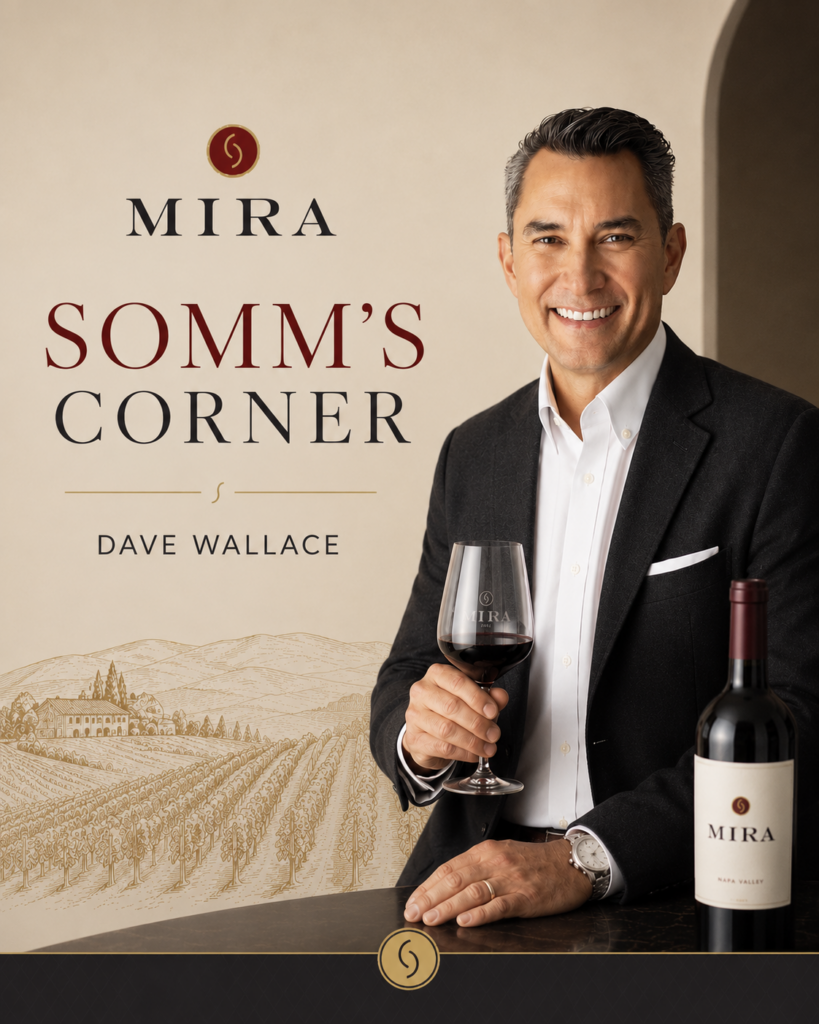
How to Navigate a Wine List Like a Somm: Ordering Wine with Confidence
You've learned how to read a wine label like as Somm. Now comes the next challenge...Ordering wine with confidence!
You're seated at a restaurant, the server hands you a wine list that looks more like a novel than a menu, and suddenly you're wondering if you should have just ordered a cocktail.
Sound familiar?
The truth is, even experienced wine professionals don't know every bottle on every list. What separates a sommelier from everyone else isn't memorizing thousands of wines—it's knowing how to read the list and make smart decisions.
Here's how you can do the same.
Don't Start with the Producer
One of the most common mistakes people make is searching for a winery they've heard of.
Instead, start with where the wine comes from.
A well-designed wine list is usually organized by:
- Sparkling
- White Wines
- Rosé
- Red Wines
- Dessert Wines
Within those sections, wines are often grouped by country or region.
For example:
- Napa Valley
- Sonoma Coast
- Burgundy
- Bordeaux
- Tuscany
- Rioja
If you know you enjoy Cabernet Sauvignon, don't look for the word "Cabernet" first. Look for regions known for producing Cabernet-based wines, such as Napa Valley or Bordeaux's Left Bank.
The region tells you far more about the wine's style than the brand name alone.
Find a Style You Already Enjoy
You don't need to know every grape variety.
Ask yourself a simple question: "What did I enjoy the last time I had wine?"
Maybe it was:
- A crisp Sauvignon Blanc
- A rich Chardonnay
- A silky Pinot Noir
- A bold Cabernet Sauvignon
Now use that memory as your starting point.
A good wine list is a roadmap, not a test.
If you enjoyed Oregon Pinot Noir, you might also enjoy Burgundy. If you love Napa Cabernet, perhaps you'll appreciate a Cabernet-based blend from Bordeaux or a structured red from Tuscany.
Wine becomes much less intimidating when you think in terms of style rather than labels.
Let Price Guide Expectations, Not Quality
Many guests assume the most expensive bottle is the best bottle.
That's rarely true.
Restaurants typically build wine lists to offer excellent choices at every price point.
Instead of asking, "What's your cheapest Cabernet?" or "What's your best bottle?" ask yourself:
"What's my budget for tonight?"
Whether it's $60, $100, or $200, there's almost always a standout bottle in that range.
A sommelier's goal isn't to sell you the most expensive wine. It's to help you find the wine you'll enjoy the most.
Learn to Read the Description
Many restaurants include short tasting notes.
For example: "Bright citrus, green apple, mineral finish."
That tells you the wine will likely be:
- Fresh
- Crisp
- High in acidity
Another description might read: "Black cherry, cocoa, baking spice, velvety tannins."
Now you're looking at a richer, fuller-bodied wine.
These tasting notes aren't just marketing, they're clues that help you match the wine to your palate.
Don't Be Afraid to Ask the Sommelier
Here's something many guests don't realize:
The sommelier isn't there to impress you.
They're there to help you.
In fact, one of the best questions you can ask is:
"I'm looking for something similar to a Napa Cabernet, but I'd love to try something new."
Or:
"I usually drink Sauvignon Blanc. Is there something you'd recommend that's a little different?"
Those simple questions give the sommelier everything they need to guide you toward a wine you'll likely enjoy.
You don't need to speak "wine." Just describe what you like.
Let the Food Lead the Way
One of the easiest ways to narrow a wine list is to order your meal first. Think of wine as another ingredient on the plate.
As a general guide:
- Seafood pairs beautifully with crisp, high-acid whites.
- Creamy dishes often shine with richer white wines.
- Roast chicken is incredibly versatile and pairs with both fuller-bodied whites and lighter reds.
- Beef and lamb generally welcome wines with more structure and tannin.
- Rich chocolate desserts often call for sweet, fortified, or late-harvest wines.
The best pairing isn't about following rigid rules, it's about creating balance between the food and the wine.
A Sommelier's Secret
People often ask me how sommeliers choose wine so confidently.
Here's the truth:
-We don't know every bottle.
-We know how to ask the right questions.
-Where is it from?
-Who made it?
-How will it pair with the food?
-Will it fit the guest's preferences and budget?
-That's it.
Those same questions can help anyone navigate a wine list with confidence.
Final Thoughts
Ordering wine should never feel intimidating. It should feel like the beginning of an experience.
The next time you're handed a wine list, don't worry about pronouncing every producer or recognizing every region. Instead, slow down, think about what you enjoy, and let the list guide you.
And if there's a sommelier nearby, invite them into the conversation.
Helping guests discover something memorable isn't just part of the job—it's one of the greatest joys of being a sommelier. Because the best bottle on the list isn't always the rarest or the most expensive.
It's the one that makes your meal, your company, and your evening just a little more memorable.