

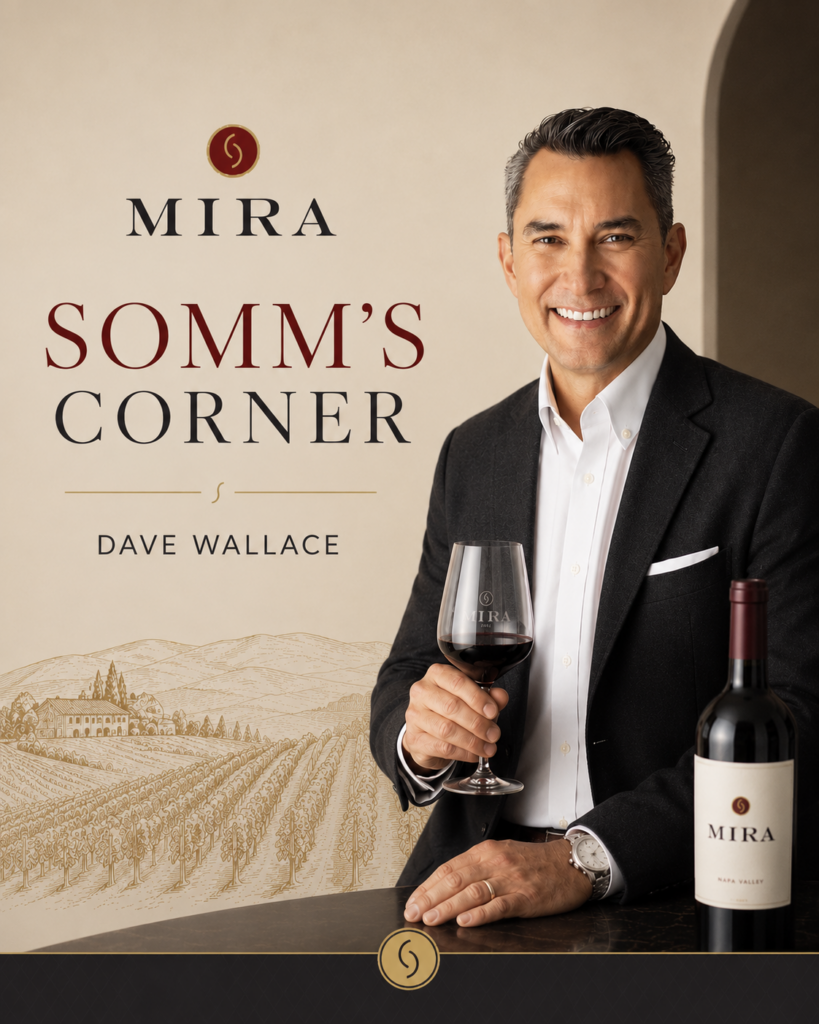
How to Taste Wine Like a Sommelier: 5 Simple Steps
Five simple steps to get more from every glass
Wine tasting can sometimes feel like there is a secret language you’re supposed to know from
Aromatics and Structure to Tannin, Finish and Minerality. While this may be helpful, it’s certainly not necessary. Then someone swirls a glass, takes a sip, and starts describing “black cherry, graphite, cedar, and dried violet,” while you’re thinking, I taste…wine.
Here’s the good news: you don't need to be a Sommelier to taste wine like one.
Tasting wine is really about paying attention. It’s about slowing down for a moment and noticing what’s in your glass, and how it changes as you spend time with it.
The next time you open a bottle, try this simple five-step approach.
-
Look
Before you smell or taste, take a moment to look at the wine. Hold the glass by the stem and tilt it slightly against a white background and take notice the color and clarity.
Is the wine pale and bright, golden and rich, ruby red, or deep purple? Does it appear translucent or almost opaque?
You don't need to know exactly what the color means. You're simply beginning to observe.
Try This:
Visually compare two wines side by side. A Sauvignon Blanc and Chardonnay. A Pinot Noir and Cabernet Sauvignon…you’ll immediately begin to notice differences.
Sommelier Tip - Don't overthink the color. It’s the starting point, not the answer.
-
Smell
Now give the wine a gentle swirl. The goal isn't to make the glass spin like a professional. A few gentle circles are enough to release the wine's aromas.
Put your nose into the glass and take a couple of short, relaxed sniffs…What do you notice?
Maybe it's fresh fruit. Citrus. Blackberry. Cherry or maybe it's something floral, earthy, herbal, spicy, or reminiscent of vanilla, toast, or baking spices.
And here's [very] something important: There is no wrong answer.
If you smell strawberries and someone else smells raspberries, you're both paying attention to the wine.
Sommelier Tip - Instead of asking, “What am I supposed to smell?” ask yourself:
“What does this remind me of?” That simple change can make tasting much more approachable and fun!
-
Taste
Now take a sip, but don't rush to swallow…Let the wine move across your palate.
Think about three simple things:
-Fruit: What flavors do you notice?
-Texture: Is it light and crisp, rich and creamy, silky, or full-bodied?
-Balance: Does the wine feel fresh and lively, or rich and powerful?
You don't need to identify every flavor.
Start with one, then another, and see where the wine leads you.
Try This
Take a sip of wine and ask yourself: “What is the first flavor I notice?”
Take another sip: “What do I notice now?”
You may be surprised that the answer changes.
-
Pay Attention to the Finish
The finish is simply what happens after you swallow [or spit out] the wine.
Does the flavor disappear quickly…Or does it stay with you for several seconds?
Do you notice fruit, spice, oak, earth, acidity, or something else lingering on your palate?
A wine with a longer finish often gives you more to think about.
But again, you don't need to judge whether the finish is “good” or “bad.”..just notice it.
Sommelier Tip - The finish is one of the easiest ways to slow yourself down. Instead of immediately taking another sip, wait a few seconds and see what remains.
-
Taste It Again
This may be the most important step of all.
Go back to the glass.
Wine changes.
The first sip might feel bright and fruit-forward. Ten or fifteen minutes later, the same wine may seem softer, more aromatic, or more complex. That's one of the reasons sommeliers spend time with a wine before making a judgment. They're not simply tasting it once..they're watching the wine evolve.
Try This: The Three-Word Exercise
The next time you open a bottle, write down three words after your first sip.
They can be anything that comes to mind: Cherry. Fresh. Smooth.
Or:
Earthy. Rich. Spicy.
Then come back to the wine 10–15 minutes later.
Write down three more words.
Did anything change?
That's tasting.
And you're already doing it.
You Don't Need to Sound Like a Sommelier
One of the biggest misconceptions about wine is that you need the right vocabulary to appreciate it…You don't.
If you taste a wine and think, “I really like this,” that's valuable information.
Do you think, “This is too light for me,” that's valuable information too.
Supose you can't identify a single aroma but enjoy the way the wine tastes with dinner, you've learned something.
The goal isn't to memorize hundreds of tasting terms.
The goal is to become more comfortable paying attention.
Over time, your vocabulary will naturally grow because you're connecting words to experiences you've actually had.
A Sommelier's Secret
Here's something I learned over many years of tasting wine:
The best wine conversations aren't about getting the answer right. They're about being curious.
Ask questions, taste side by side, and try something you've never had before.
Notice how the same wine tastes with different foods.
Most importantly, don't be afraid to trust your own palate.
Wine is meant to be enjoyed, not passed like an exam. So the next time someone hands you a glass, take a moment to...
Look.
Smell.
Taste.
Pause.
Taste again.
You may discover that you already know more about wine than you thought.
Until next time!