

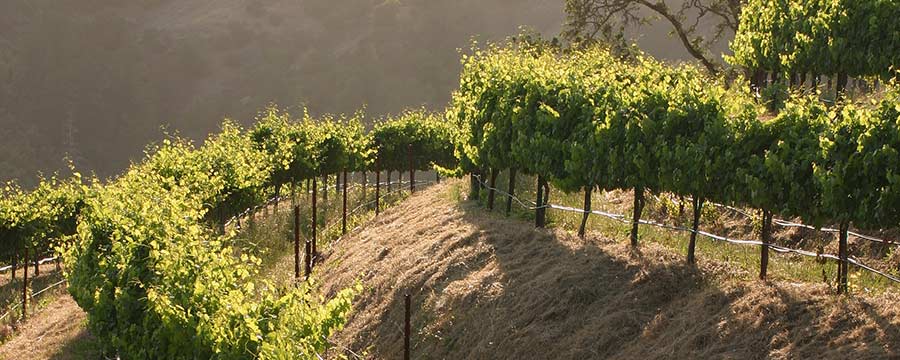
Volcanic vs Alluvial Soils in Napa Valley: Why It Matters for Structure
Among Napa’s most important soil distinctions is the contrast between volcanic and alluvial soils. These two foundational soil types influence vine stress, water availability, berry size, and phenolic development—factors that define whether a wine is built for early accessibility or long-term cellaring.
For collectors, understanding soil is not academic. It is predictive.
What Are Volcanic Soils?
Volcanic soils in Napa are typically found in hillside and mountain vineyards. These soils originate from ancient volcanic activity and often contain:
- Basalt
- Tuff
- Ash-derived materials
- Iron-rich fractured rock
- Shallow, well-draining profiles
These soils are typically:
- Low in fertility
- Rocky and fractured
- Fast draining
- Low in water retention
For the vine, this creates a challenging environment. Roots must push deep into fractured rock in search of moisture and nutrients. The result is naturally reduced vigor and smaller berries.
Smaller berries mean a higher skin-to-juice ratio—one of the key drivers of structure in Cabernet Sauvignon.
What Are Alluvial Soils?
Alluvial soils dominate much of Napa Valley’s valley floor. These soils were formed over millennia by sediment deposited from mountain runoff and river systems.
They often include:
- Gravel
- Sand
- Loam
- Clay components
- Deeper soil profiles
Alluvial soils typically offer:
- Greater water availability
- Higher natural fertility
- Deeper rooting zones
- More consistent vine growth
These conditions encourage slightly larger berries and more generous canopies, often resulting in wines with broader texture and earlier accessibility.
Again, neither soil type is inherently superior. They simply create different structural signatures.
Vine Stress and Phenolic Density
The most important distinction between volcanic and alluvial soils lies in vine stress.
Volcanic soils impose moderate, natural stress due to limited water and nutrients. This stress encourages:
- Smaller clusters
- Thicker skins
- Increased tannin concentration
- Greater phenolic density
These elements contribute to wines that feel tightly structured in youth. Tannins are often firmer, acidity more pronounced, and fruit more compact. Over time, these components integrate slowly, often leading to exceptional aging potential.
Alluvial soils, with greater water availability, tend to produce:
- Slightly larger berries
- Softer tannin structure
- Broader mid-palate
- Earlier aromatic openness
These wines may be more approachable in their youth while still capable of long-term aging when balance is achieved.
Structure, not power, is the defining difference.
Drainage and Root Depth
Drainage plays a critical role in shaping vine behavior.
Volcanic soils drain quickly, forcing vines to send roots deep into fractured rock. Deep root systems can:
- Improve resilience in dry years
- Promote mineral complexity
- Stabilize ripening patterns
- Enhance structural consistency
Alluvial soils can vary widely. Gravelly alluvial sites may drain quickly and behave similarly to hillside vineyards, while heavier clay-based alluvial soils retain water and produce more generous growth.
This variability explains why some valley floor vineyards produce remarkably structured wines while others lean toward accessibility.
Soil category matters—but specific site expression matters even more.
Tannin Profile and Aging Potential
Collectors often notice that wines from volcanic soils show:
- Firmer tannin structure
- Darker fruit profile
- Mineral or iron-like undertones
- More compact mid-palate
These structural elements tend to unfold gradually, making volcanic-soil wines particularly compelling for long-term cellaring.
Wines from alluvial soils often show:
- Broader texture
- Polished tannins
- Greater early harmony
- Aromatic lift in youth
The finest examples possess enough tannin and acidity to age beautifully, though they may enter their drinking window earlier.
The distinction is not longevity versus immediacy—it is trajectory.
Volcanic soils often produce wines that evolve slowly and linearly.
Alluvial soils often produce wines that broaden and harmonize earlier.
Both can age gracefully when balance is present.
Vintage Sensitivity
Soil type also influences how wines respond to vintage variation.
In warmer years, volcanic soils can help maintain structure. Limited water retention naturally moderates vigor, preventing excessive dilution and preserving concentration.
In cooler years, alluvial soils may support more even ripening, providing the vine with sufficient resources to achieve phenolic maturity.
This interplay between soil and vintage contributes to Napa’s complexity—and explains why great producers focus on site-specific farming.
The Collector’s Perspective
For collectors building a Napa cellar, soil diversity adds dimension.
Volcanic-soil wines often reward patience. They can feel tightly wound in youth, gradually revealing layered complexity—graphite, cedar, dried herbs, and savory nuance.
Alluvial-soil wines often provide earlier accessibility while still offering depth and evolution. Their aging curve may be broader, with harmony emerging sooner.
A balanced cellar benefits from both:
- Volcanic for tension and longevity
- Alluvial for breadth and approachability
Over time, these structural differences become part of the pleasure—watching distinct terroirs evolve along different timelines.
Soil as Structure
In Napa Valley, elevation, climate, and farming all shape Cabernet Sauvignon. But soil defines the foundation. It determines how the vine grows, how berries develop, and how tannins form.
Volcanic soils tend to produce wines of density, tension, and long evolution.
Alluvial soils often yield wines of breadth, polish, and early harmony.
Neither is inherently better. Both are capable of extraordinary ageability when balance is achieved.
At Mira, we view soil not as a stylistic tool but as a guide. The goal is not to override site expression, but to refine it—allowing structure to emerge naturally from the vineyard.
Because in Napa Valley, longevity begins underground.