

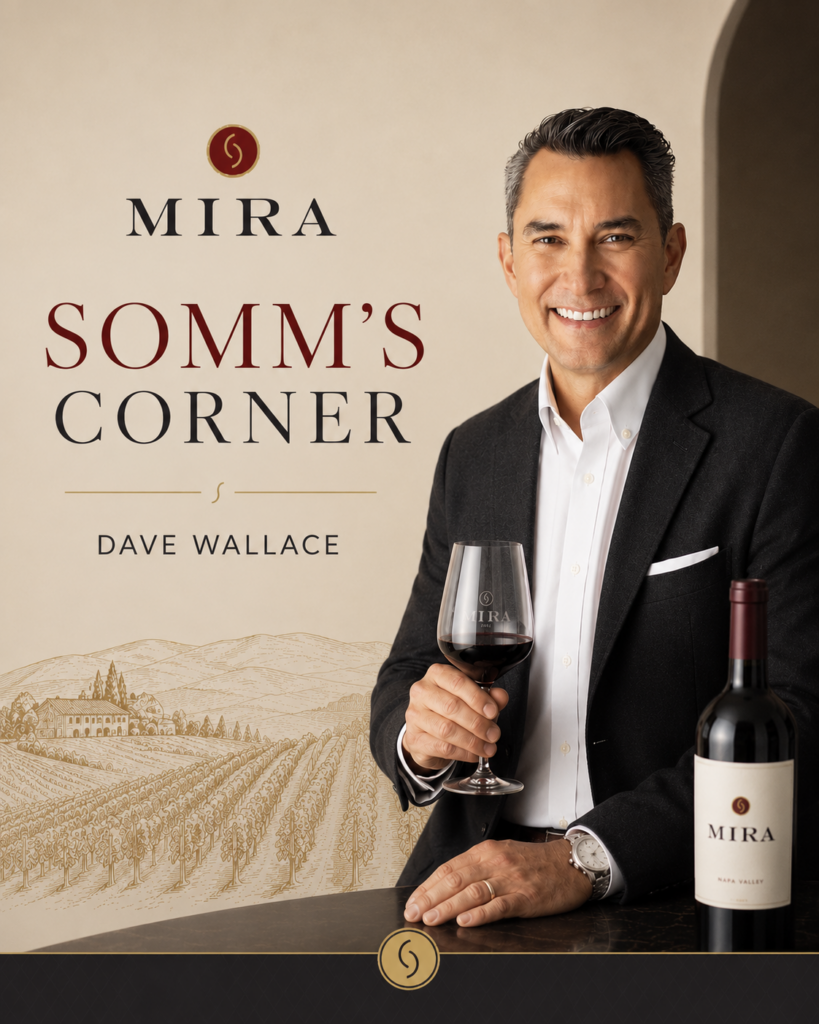
8 Simple Ways to Enjoy White Wine Like a Sommelier
White wine serving tips, temperatures, glassware, food pairings and tasting techniques from a sommelier's perspective
White wine doesn't need to be complicated. But a few small changes in how you serve, taste and pair white wine can make a surprisingly big difference in what you experience in the glass.
As a sommelier, I'm often asked what separates a good wine experience from a great one. The answer isn't always the wine itself. Sometimes it's what happens before the first sip.
Here are eight simple wine tips worth trying the next time you open a bottle of Sauvignon Blanc, Chardonnay or another favorite white.
-
You're Probably Serving Your White Wine Too Cold
This may be the biggest misconception about white wine. The instinct is to make white wine as cold as possible. But extremely cold temperatures can mute a wine's aromas and flavors.
Instead, think of serving temperature as a range rather than a single number.
For a bright, crisp Sauvignon Blanc, somewhere around 45–50°F is a good starting point. A fuller, more textured white can benefit from being served a few degrees warmer.
Why does this matter? Because temperature affects what you perceive in the glass. As a wine warms slightly, aromas become more expressive and its texture can become easier to appreciate.
Try this:
Pour your white wine chilled. Take a sip.
Then leave the glass on the table for 10–15 minutes and taste it again.
You may be surprised by how much the wine changes.
This is particularly fun with a wine such as Mira Winery's Estate White Wine 2022.
Sommelier tip: Don't rush to put the bottle back on ice after every pour. Let the wine evolve.
-
Your Wine Glass Really Does Matter
You don't need a cabinet full of different wine glasses. But the shape of the glass can influence how you experience a wine.
A traditional white wine glass has a smaller bowl than a red wine glass. The narrower opening helps preserve temperature while directing aromas toward your nose. And that's important because much of what you perceive as flavor actually begins with aroma.
For a bright Sauvignon Blanc, a medium-sized white wine glass works beautifully. For a richer, more textured white such as Sauvignon Gris, I prefer giving the wine a little more room in the bowl.
Try this:
Pour the same white wine into two different glasses—one narrow and one slightly broader.
Swirl each gently and smell them side by side.
You may notice that the wine doesn't smell quite the same.
Sommelier tip: The glass isn't just there to hold the wine. It's part of the tasting experience.
-
Don't Fill the Glass
Here's an easy one. Leave some room.
A white wine glass is designed to give you space to swirl the wine and allow aromas to collect in the bowl. A good pour is generally around 4–5 ounces, rather than filling the glass to the rim. That gives you room to swirl, smell and taste without spilling—and means your wine has a little more opportunity to open.
Try this:
Pour less than you normally would.
Give the glass a gentle swirl.
Put your nose just above the rim and take a few short sniffs.
Then taste.
You may discover aromas you would have missed with a full glass.
-
Try the 15-Minute White Wine Test
Here's one of my favorite simple wine experiments.
Pour a glass. Taste it immediately. Then wait about 15 minutes.
Taste it again. What changed?
Perhaps the citrus became softer. Maybe the fruit became more apparent. Perhaps the wine feels rounder or more textured. This is one reason professional tastings aren't simply about taking one sip and making a judgment. Wine is dynamic.
Make it a game:
Write down three words describing the wine when you first pour it.
Then write down three more words after 15 minutes.
Did your description change?
Sommelier tip: Don't ask whether your tasting notes are "right." Ask what you notice.
-
When Pairing Sauvignon Blanc, Think Herbs
Sauvignon Blanc is famous for its acidity and fresh, sometimes herbal character. Depending on where and how it is produced, it can show citrus, tropical fruit, green or herbaceous notes.
That makes it particularly good with fresh herbs and green vegetables.
Think:
- Basil
- Cilantro
- Parsley
- Tarragon
- Asparagus
- Zucchini
- Fresh peas
- Green salads
Try this:
Grill some fish.
Add lemon, olive oil and fresh herbs.
Pour Estate Sauvignon Blanc 2022.
Suddenly, the wine and food become part of the same experience.
Sommelier tip: When you're wondering what to pair with Sauvignon Blanc, look at the herbs and seasonings on the plate—not just the protein.
-
Don't Be Afraid to Pair White Wine With Fried Food
This surprises people. White wine isn't only for delicate foods.The acidity in a vibrant white can be an excellent counterpoint to salt, fat and crispy textures.
Think:
Fried chicken + Sauvignon Blanc.
French fries + Sauvignon Gris.
Tempura shrimp + crisp white wine.
It's the same reason acidity works so well alongside richer foods: it provides freshness and keeps each bite from feeling too heavy.
And Sauvignon Gris can be especially interesting here. Wine Enthusiast describes the variety as dry, high-acid and notably food-friendly, including with spicy cuisines.
Sommelier tip: Don't automatically pair the richest food with the richest wine. Sometimes contrast is more interesting than similarity.
-
Taste the Food Before You Taste the Wine
Here's a simple trick that can completely change your understanding of wine.
Instead of tasting the wine first: Take a bite of food. Chew. Swallow. Then take a sip of wine.
Pay attention to what happens.
The food can make a wine seem more acidic, softer, fruitier, more bitter or even sweeter. That's because wine pairing isn't simply about matching flavors. It's about how food and wine interact.
Try it with Chardonnay Hyde Vineyard:
Pair it with grilled seafood, roast chicken, creamy pasta or late-summer vegetables.
Then try a sip by itself.
Taste it again with the food.
Which characteristics become more noticeable?
Sommelier tip: The best wine pairing isn't necessarily the one that sounds best on paper. It's the one that makes both the food and wine taste better.
-
Don't Assume All Sauvignon Blanc Tastes the Same
This may be the most important lesson of all. Sauvignon Blanc is not one flavor profile.
Where it grows, when it's harvested, how it's fermented and whether it sees oak can dramatically influence the finished wine.
California Sauvignon Blanc can show very different characteristics from Sauvignon Blanc grown in New Zealand or France. Production choices can also move a wine toward a brighter, more citrus-driven style or toward greater richness and texture.
And then there's Sauvignon Gris.
Sauvignon Gris is a natural mutation of Sauvignon Blanc, but it can produce wines with a distinctly different personality. Wine Enthusiast describes Sauvignon Gris as capable of high acidity, tropical character and notable spice, while winemakers cited in the publication emphasize its richness and versatility.
That's part of what makes Mira's Estate OvAu 2022 so interesting.
It's 100% Sauvignon Gris—not simply another Sauvignon Blanc.
The result is a white wine that combines freshness with texture and depth, making it capable of working across a surprisingly broad range of foods.
Now Put These Tips to Work
The best wine lesson is the one you actually get to taste.
Mira Chardonnay Hyde Vineyard 2019
Mira Estate White Wine 2022
Mira Estate OvAu 2022
Mira Estate Sauvignon Blanc 2022
Final Sommelier Thought
Don't worry about finding the perfect tasting note. Don't worry about whether you're holding the glass correctly. And don't worry about whether your palate agrees with someone else's.
Pay attention.
Notice the aroma.
Taste the wine.
Taste it again with food.
Let it warm.
See what changes.
Because the best way to understand wine isn't to memorize what you're supposed to taste.
It's to discover what you taste.